
























From Organic Farming to Energy Self-Sufficiency: A German Eco-Farm Embraces Smart Solar-Storage Integration
-
Company News
-
 2026-04-30
 -
 Dyness

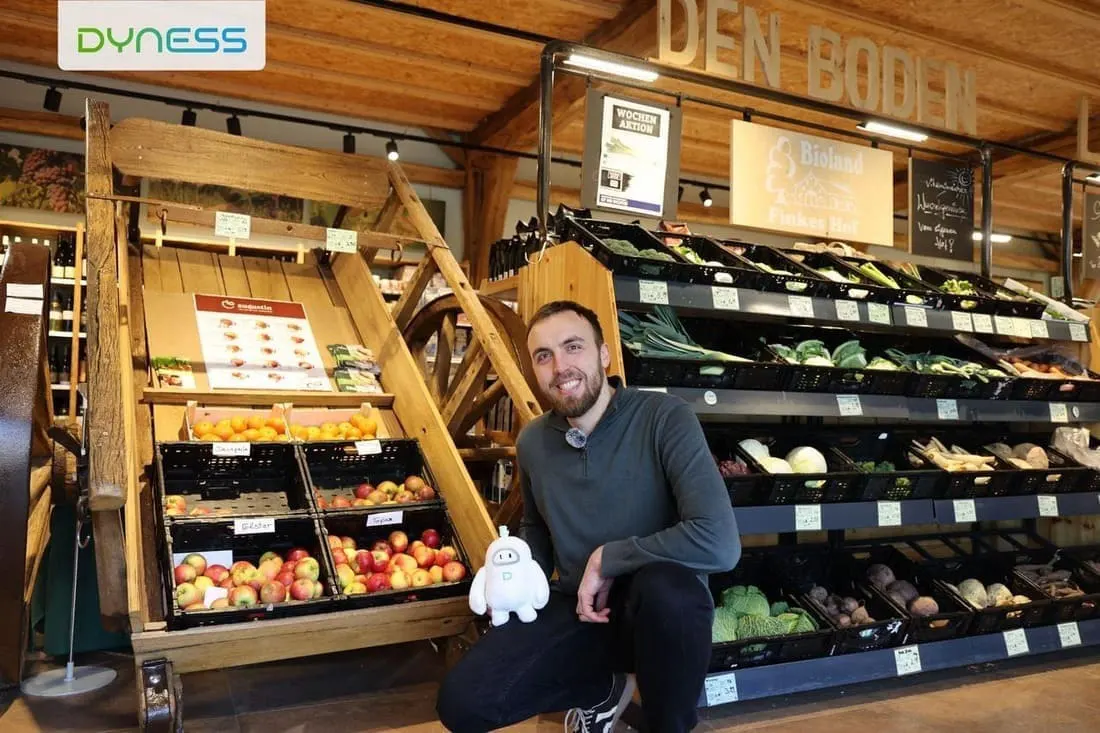
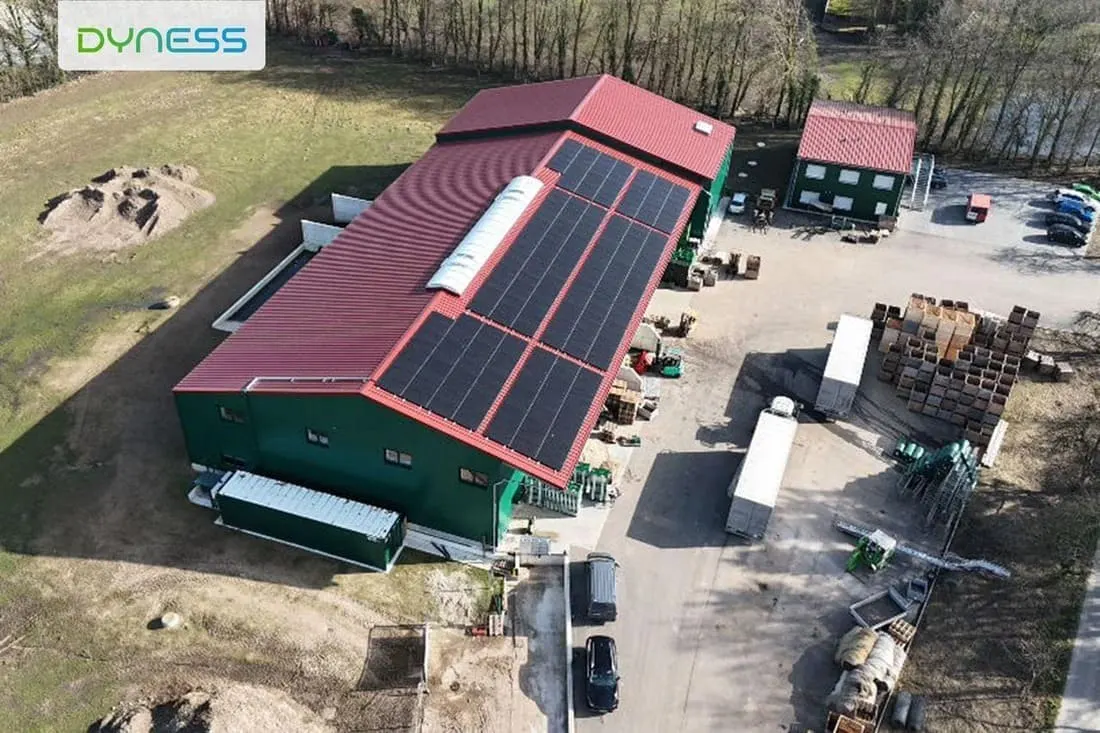
Driven by Europe’s commitment to sustainable agriculture and the growing demand for low-carbon production, traditional farming is undergoing a transformation from resource-intensive operations to energy-efficient, self-sustaining systems. Located in Borken, Germany, the Bioland-certified organic farm Bioland Finkeshof GmbH & Co. KG, led by CEO Maximilian Finke, has partnered with Dyness to deploy a 532 kWh solar-storage solution.
Designed to support the farm’s full production cycle, including processing, cold storage and livestock farming, the system enables a seamless integration of “organic production + green energy,” establishing a forward-looking model for sustainable agriculture in Europe.
Agricultural Transition: From Energy Dependence to Sustainable Operations
As one of Europe’s leading advocates of ecological agriculture, Germany continues to strengthen its renewable energy policies while encouraging farms to adopt more sustainable and independent energy systems. However, rising electricity costs, increasing electrification of agricultural processes, and the need for reliable power supply are placing new pressure on farm operations.
For modern organic farms, energy is no longer a background utility, it directly impacts production efficiency, product quality, and operational continuity. Facilities such as refrigeration systems, processing equipment, ventilation for livestock, and water management systems create continuous and sometimes highly variable electricity demand throughout the day.
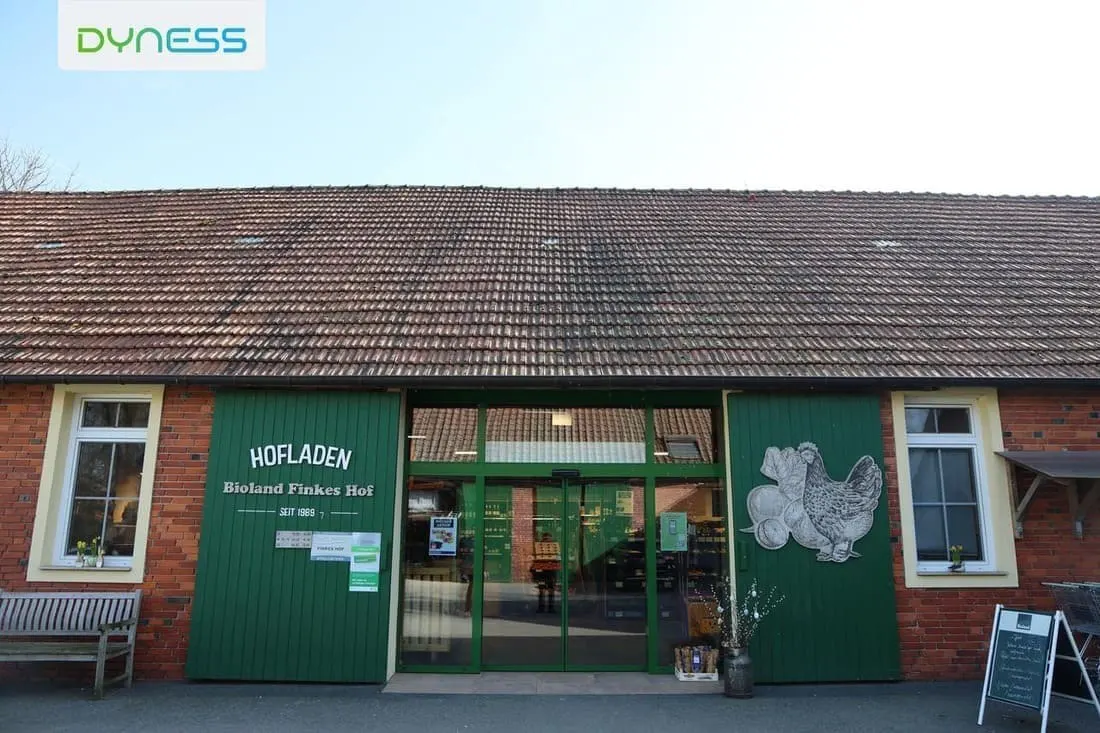
Bioland Finkeshof represents this new generation of farms. As a certified organic operation, it must not only meet strict environmental standards but also ensure stable energy supply across multiple production scenarios. From temperature-controlled storage to daily farming activities, the farm requires a solution that delivers reliability, flexibility, and sustainability without increasing dependence on the public grid.
System Upgrade: From Conventional Power Supply to Integrated Solar-Storage
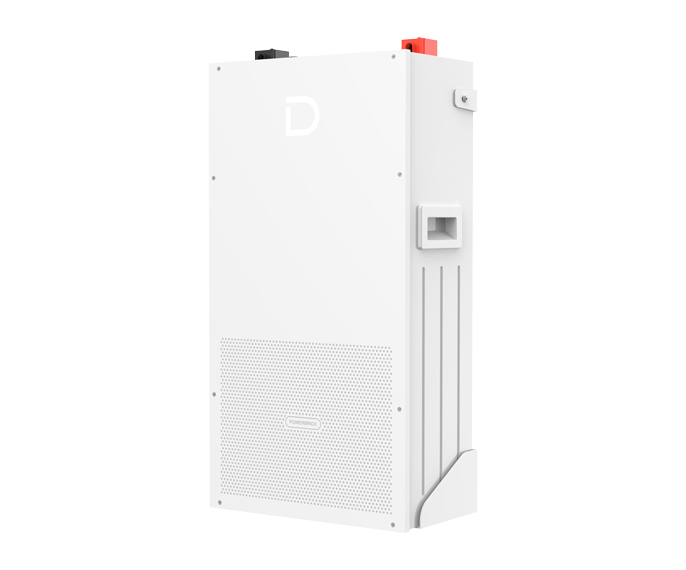
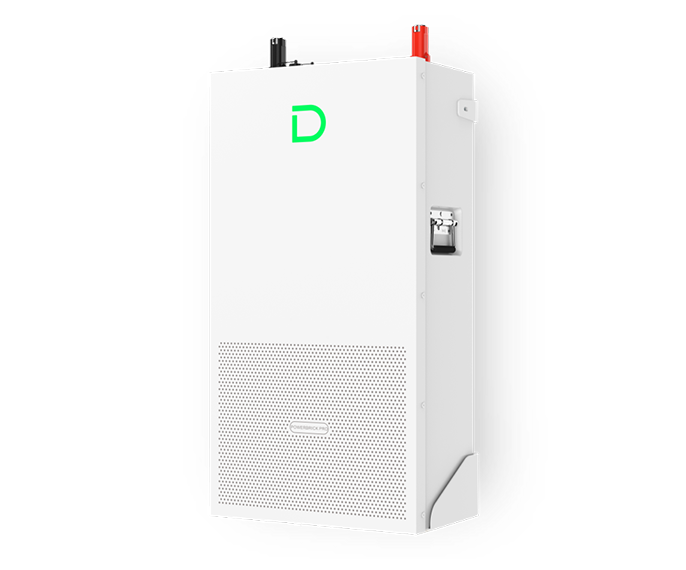
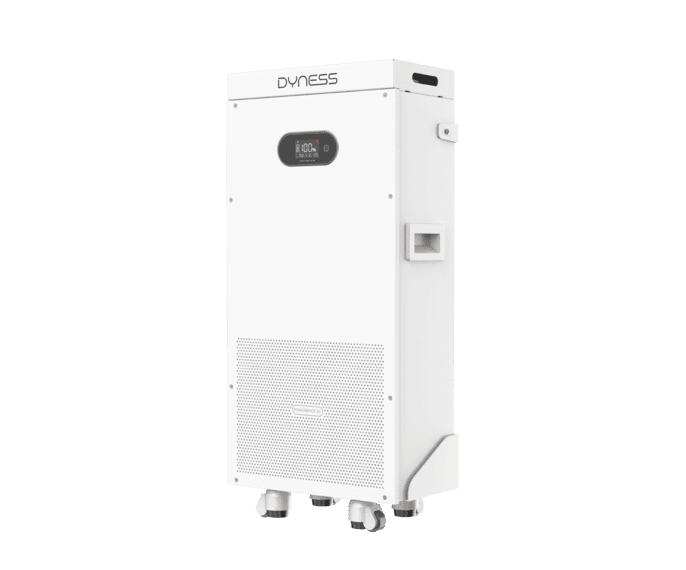
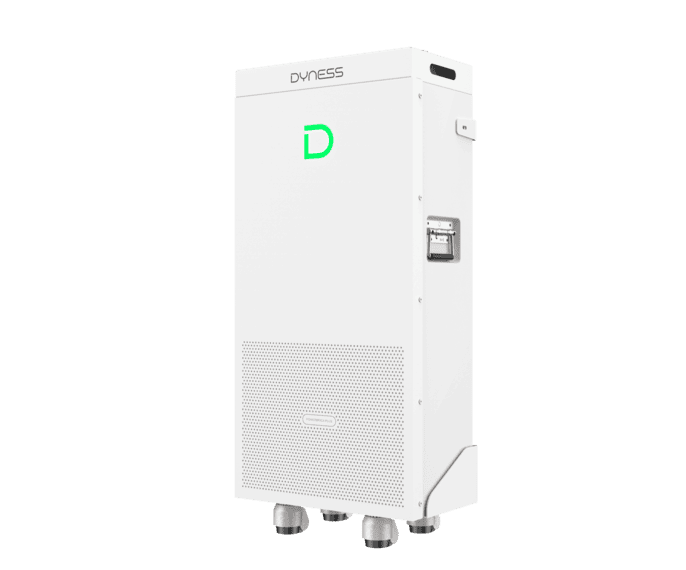
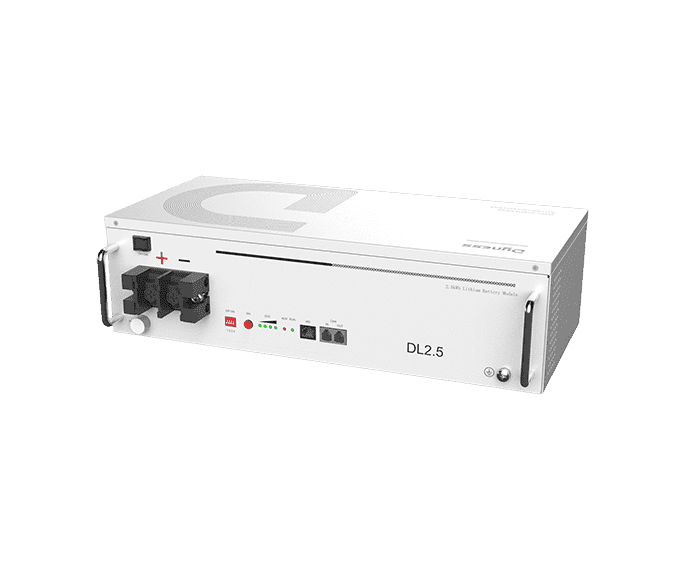
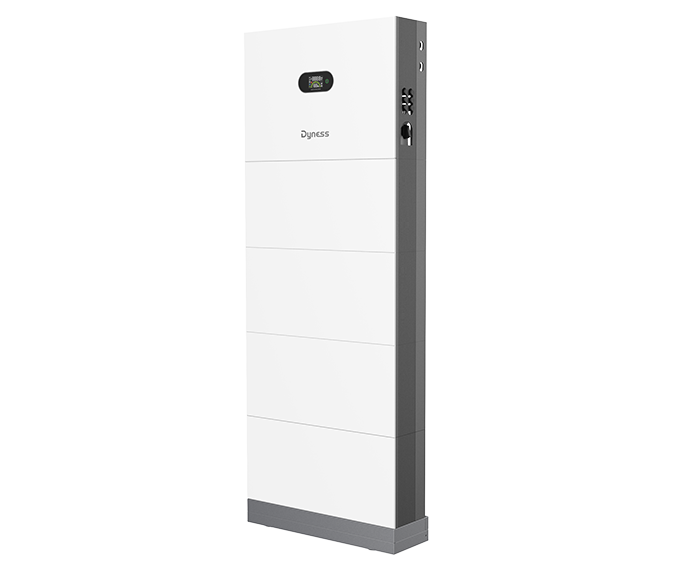
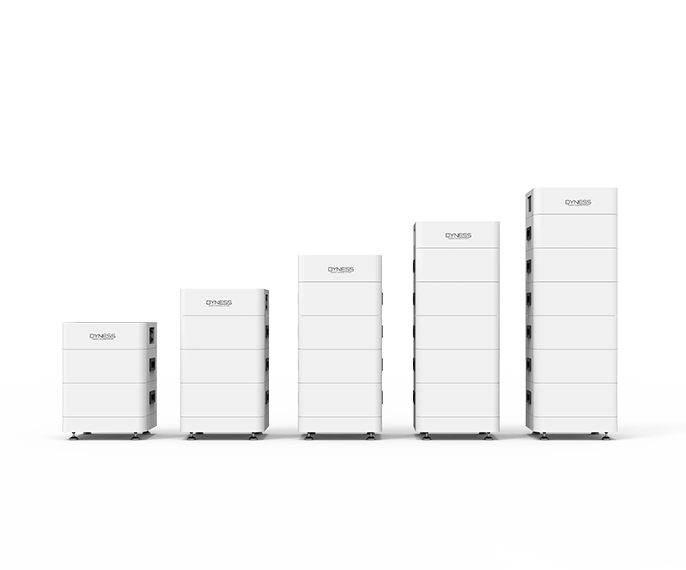
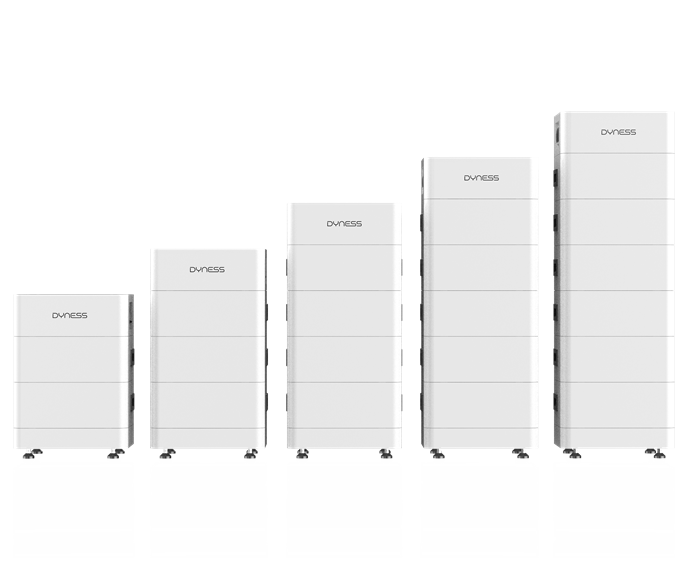
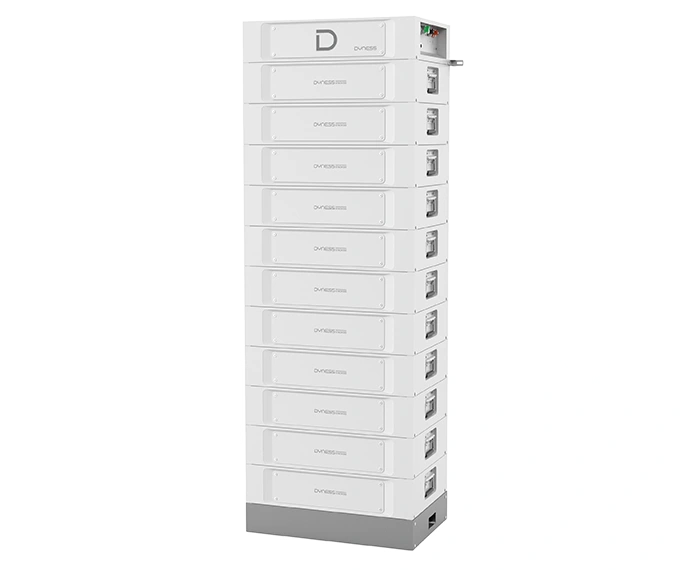
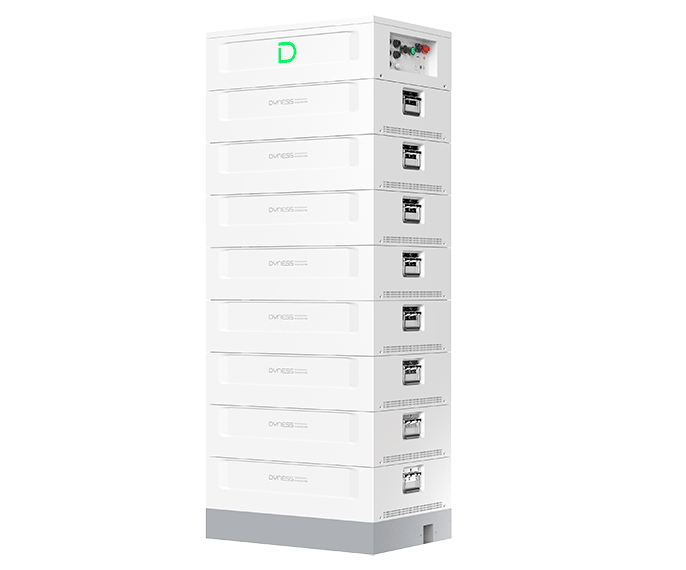
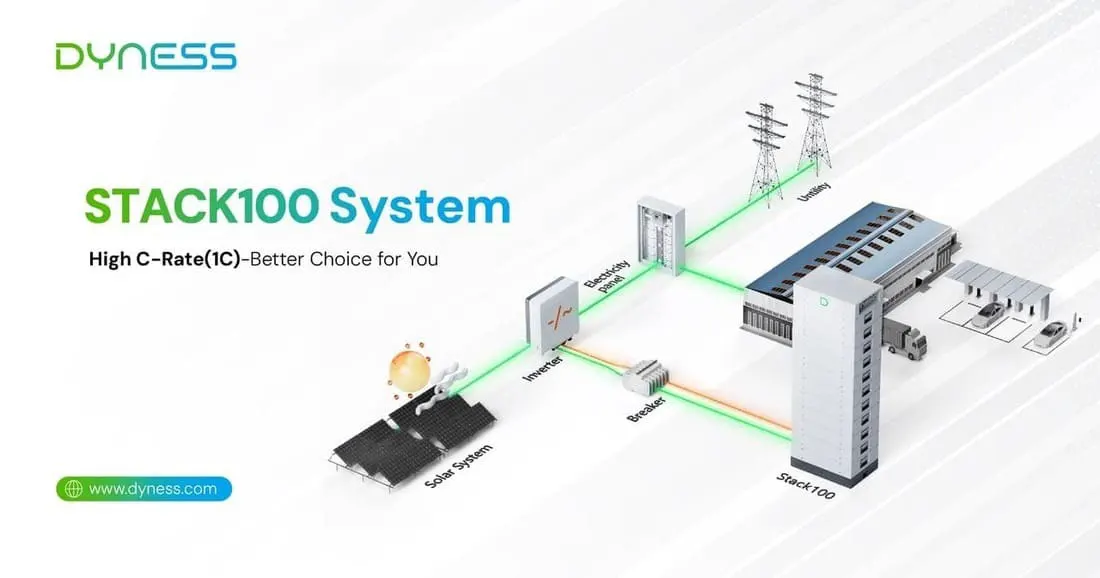
To meet the farm’s diverse energy demands, the project deployed a solar-storage solution based on the Dyness STACK100 energy storage system, with a total storage capacity of 532 kWh (8 clusters × 13 battery modules). This integrated setup enables a more efficient and sustainable energy management model:
During the day, solar energy is prioritized to power farm operations, including processing equipment and auxiliary systems
Excess energy is stored in the battery system for later use
During periods without solar generation, such as nighttime or peak demand, stored energy is released to ensure continuous operation
Across different farming scenarios, the system dynamically balances energy supply to maintain stable and efficient performance
Through the coordinated interaction of generation, storage, and consumption, the farm establishes a localized energy loop—maximizing renewable energy utilization while reducing reliance on the grid. This not only improves operational stability but also aligns with the core principles of organic and sustainable farming.
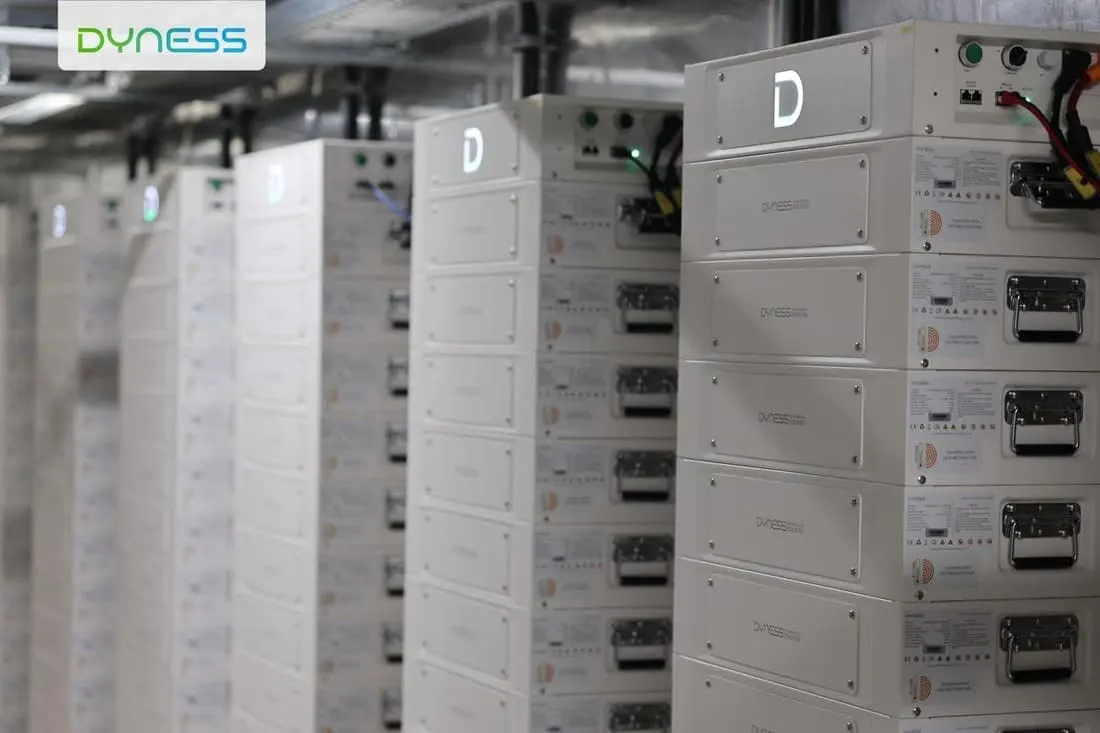
Dyness STACK100: Supports Multi-Scenario Agricultural Applications
To address the complex energy demands of modern farming, the Dyness STACK100 system delivers a well-balanced combination of flexibility, stability, reliability, and efficiency:
Flexible Expansion for Growing Energy Needs
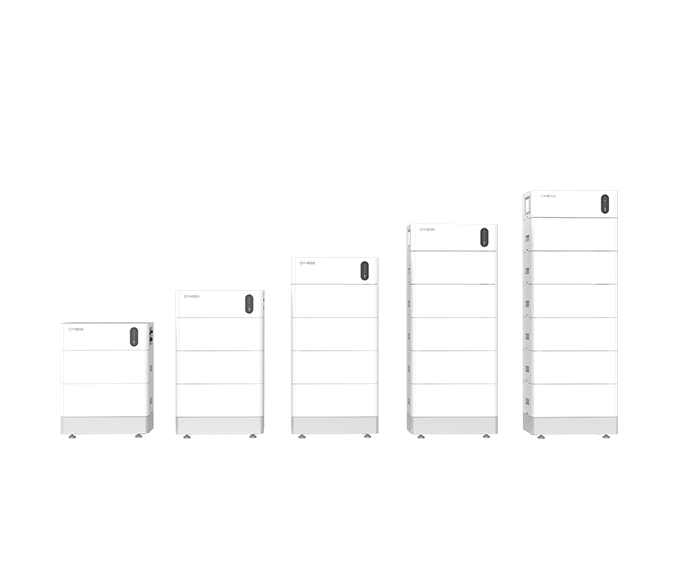
With its modular architecture, STACK100 supports up to 12 clusters in parallel and offers a scalable capacity range from 15 kWh to 921 kWh. In this project, this enables the farm to size the system according to current demand while retaining the flexibility to expand alongside future growth, helping reduce initial investment pressure and improving overall return on investment.
Stable Performance for Continuous Farm Operations
Featuring 1C charge and discharge capability, the system can respond in real time to load fluctuations from refrigeration, processing equipment, and ventilation systems. In comparable agricultural applications in Germany, this typically enables 20–40% peak load shifting and can contribute to estimated annual electricity cost savings in the range of €10,000–€30,000, depending on load profile and local tariff conditions.
Reliable Operation in Diverse Environmental Conditions
Designed for long-term use, the system supports stable operation across varying environmental conditions typically found in agricultural settings. Its self-heating function enables the product to operate stably in environments ranging from -20°C to 55°C. With the ability to supply critical loads for several hours, the system significantly reduces the risk of downtime, helping avoid potential losses associated with temperature-sensitive storage and livestock operations.
Efficient Installation and Lifecycle Optimization
The rackless, stackable design enables plug-and-play installation, with a single cluster deployable in around 30 minutes, reducing installation time by up to 30–50% compared to traditional systems. In addition, support for battery module mixing and automatic balancing allows phased system expansion without replacing existing units, helping lower lifecycle costs and supporting a typical return on investment period of approximately 5–8 years under standard operating conditions.
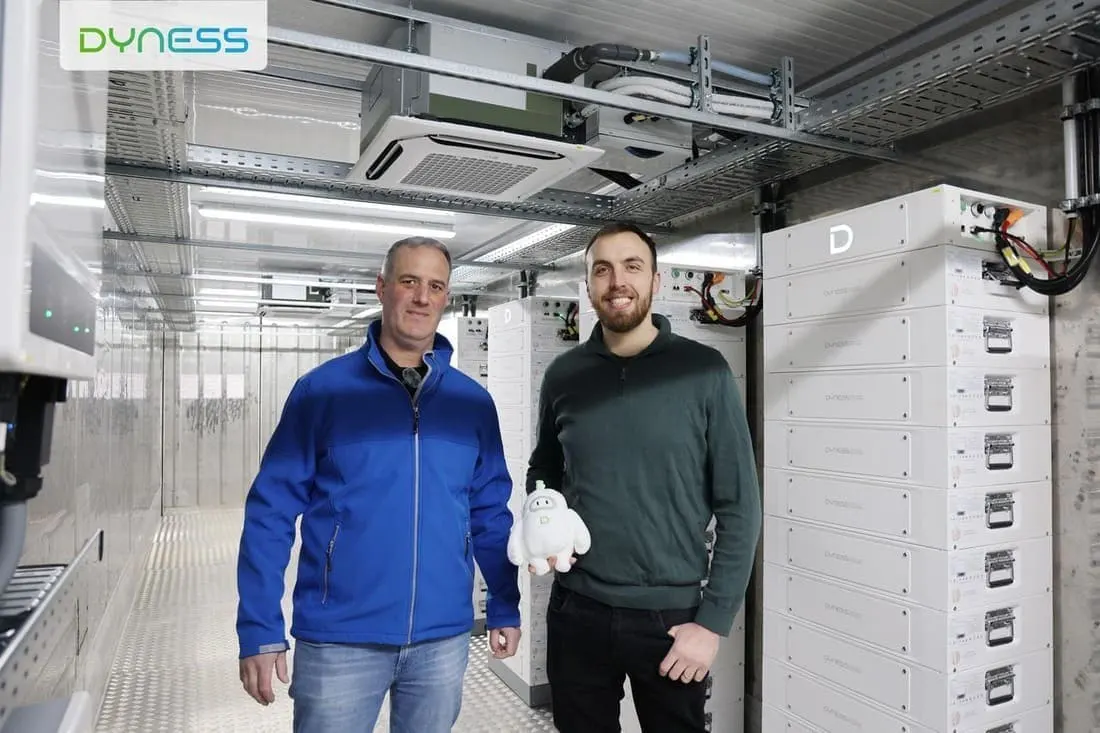
Enabling Self-Sufficient Farm Operations with Dyness STACK100
By integrating solar generation with energy storage, Bioland Finkeshof has successfully transitioned from a traditional energy consumer to a more self-sufficient and sustainable energy user.
This project not only supports the farm’s daily operations with clean and reliable electricity but also reinforces its commitment to environmentally responsible production. It demonstrates how energy storage can play a critical role in enabling sustainable agriculture, offering a replicable model for organic farms across Germany and Europe.
As agricultural electrification continues to deepen and sustainability standards become more stringent, integrated solar-storage solutions will become an essential infrastructure for modern farms.
Looking ahead, Dyness will continue to drive innovation in energy storage technology, with a strong focus on advancing high-performance solutions. We are committed to empowering agricultural and industrial users to build efficient, reliable, and sustainable energy systems, while supporting more businesses in achieving a meaningful and lasting green transition.