





















From Traditional Brewing to a Smart Energy Hub: An Austrian Beer Restaurant Achieves Energy Independence and Revenue Growth
-
Company News
-
 2026-04-07
 -
 Dyness

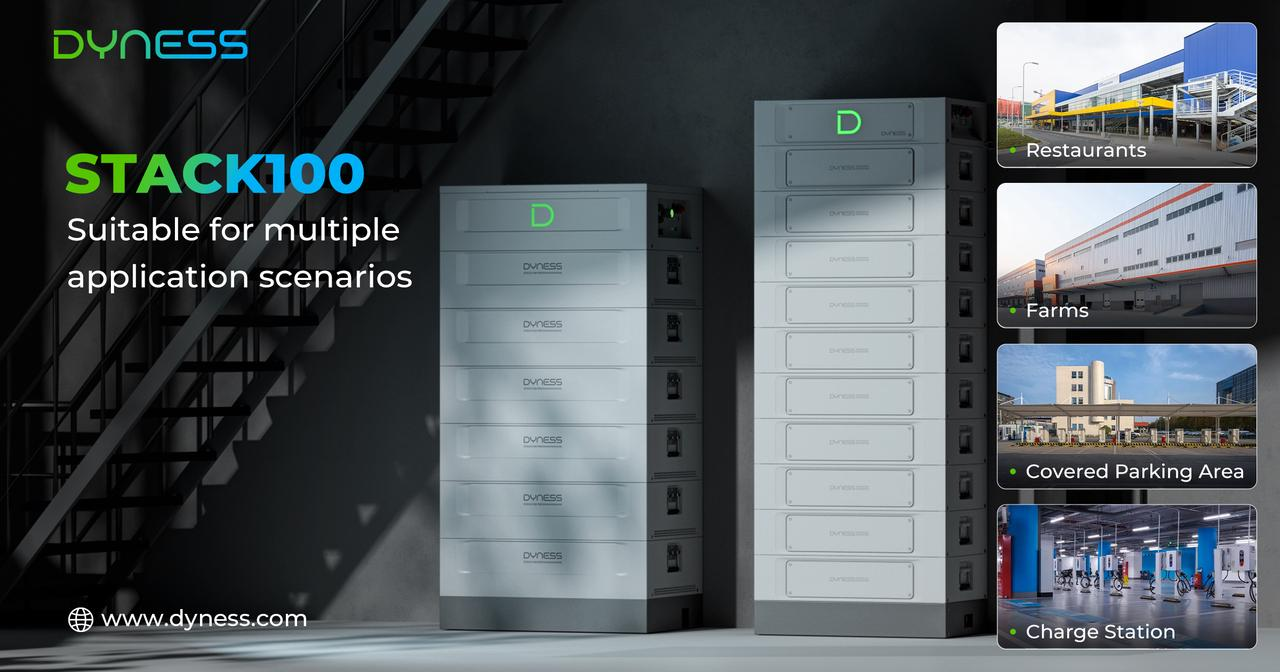
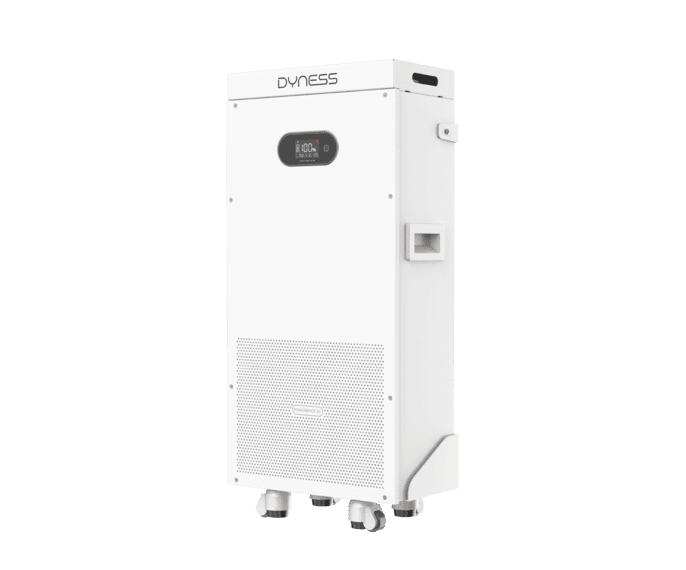
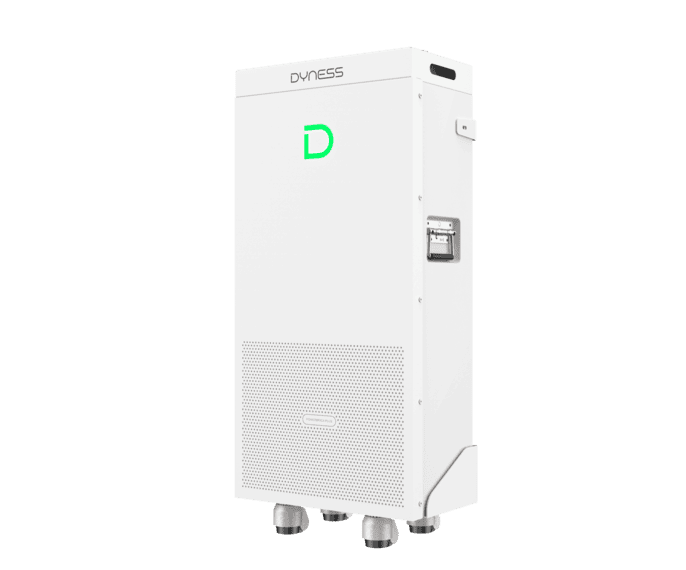
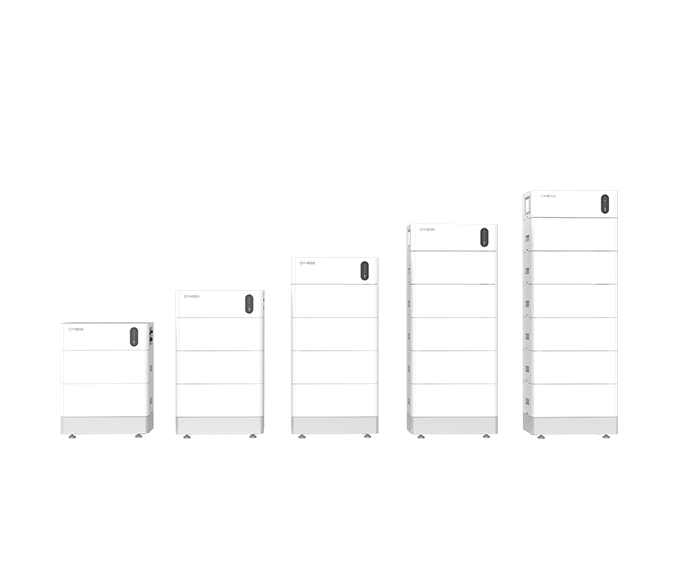
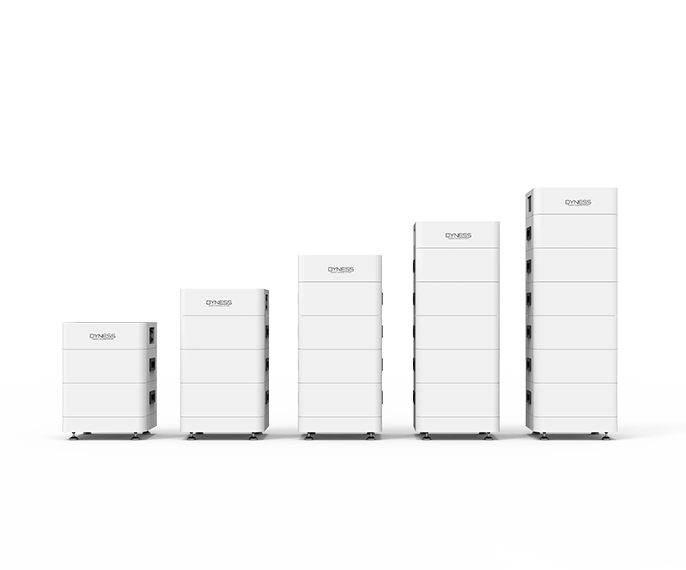
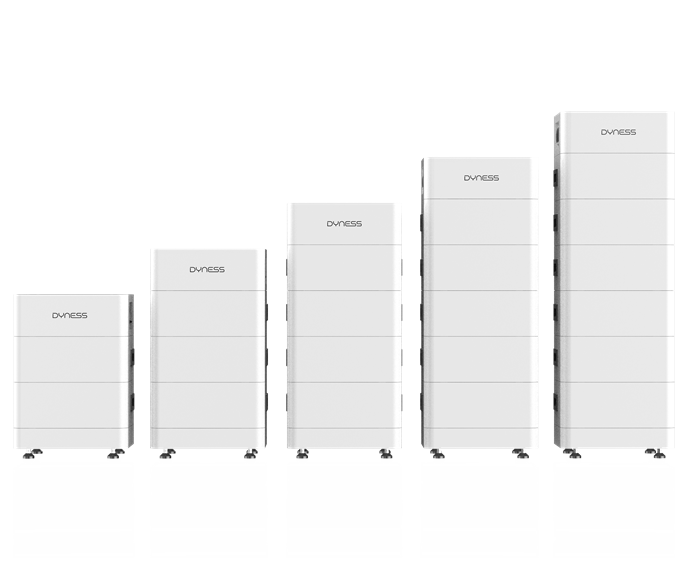
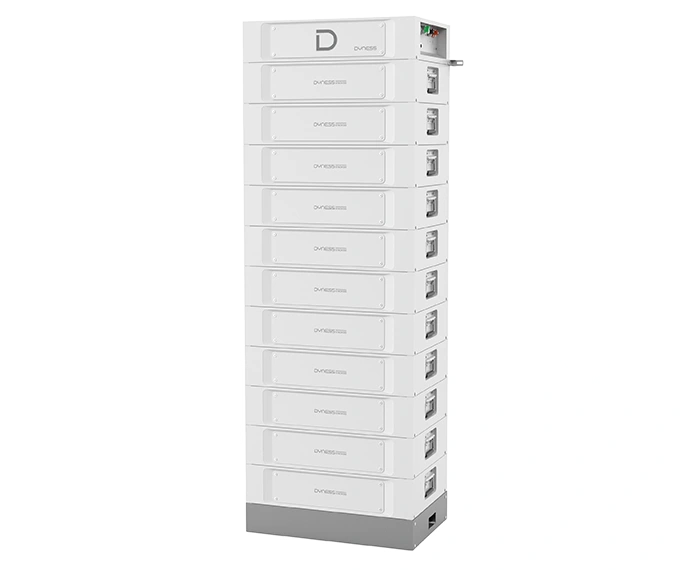
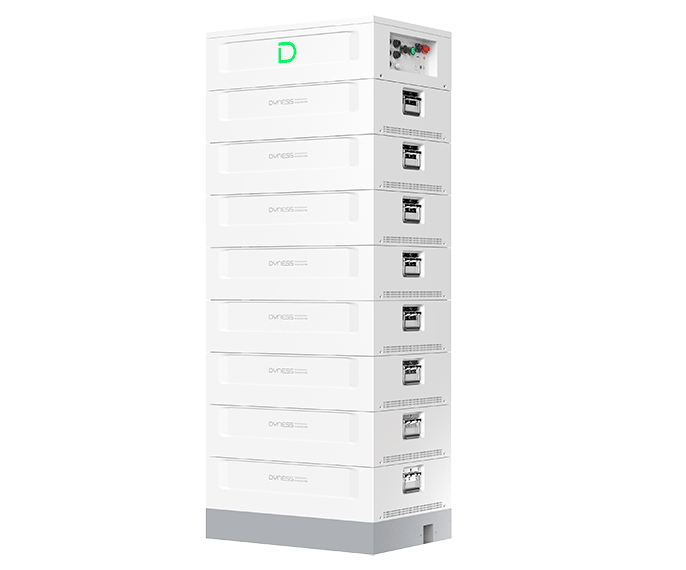
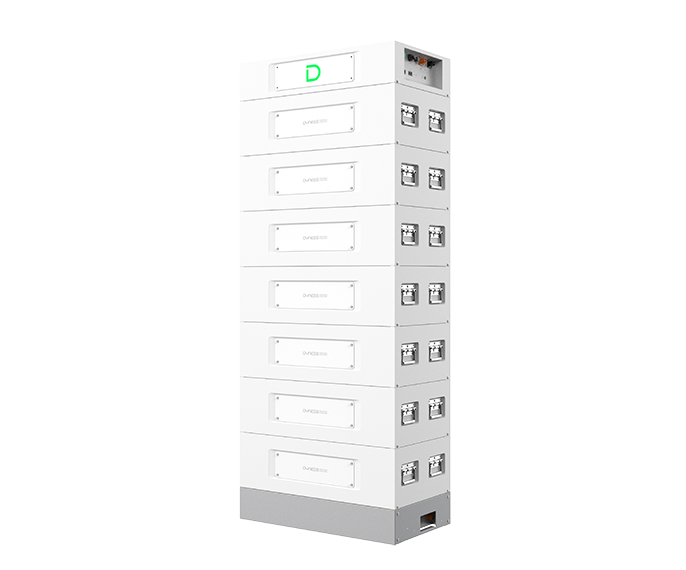
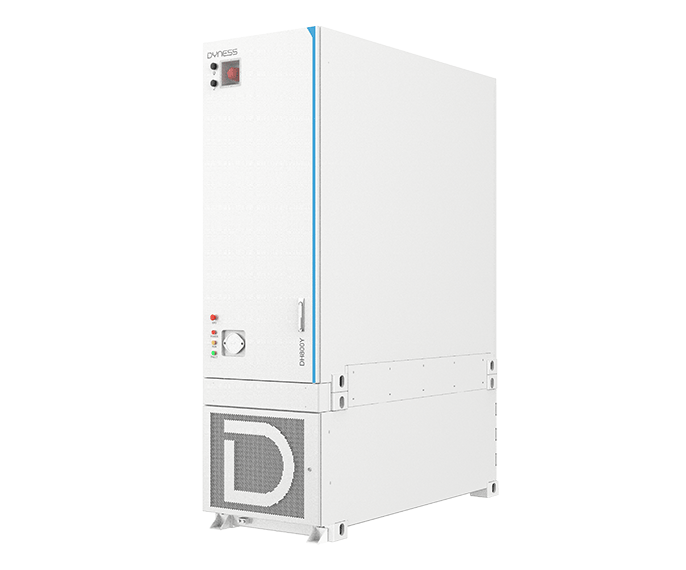
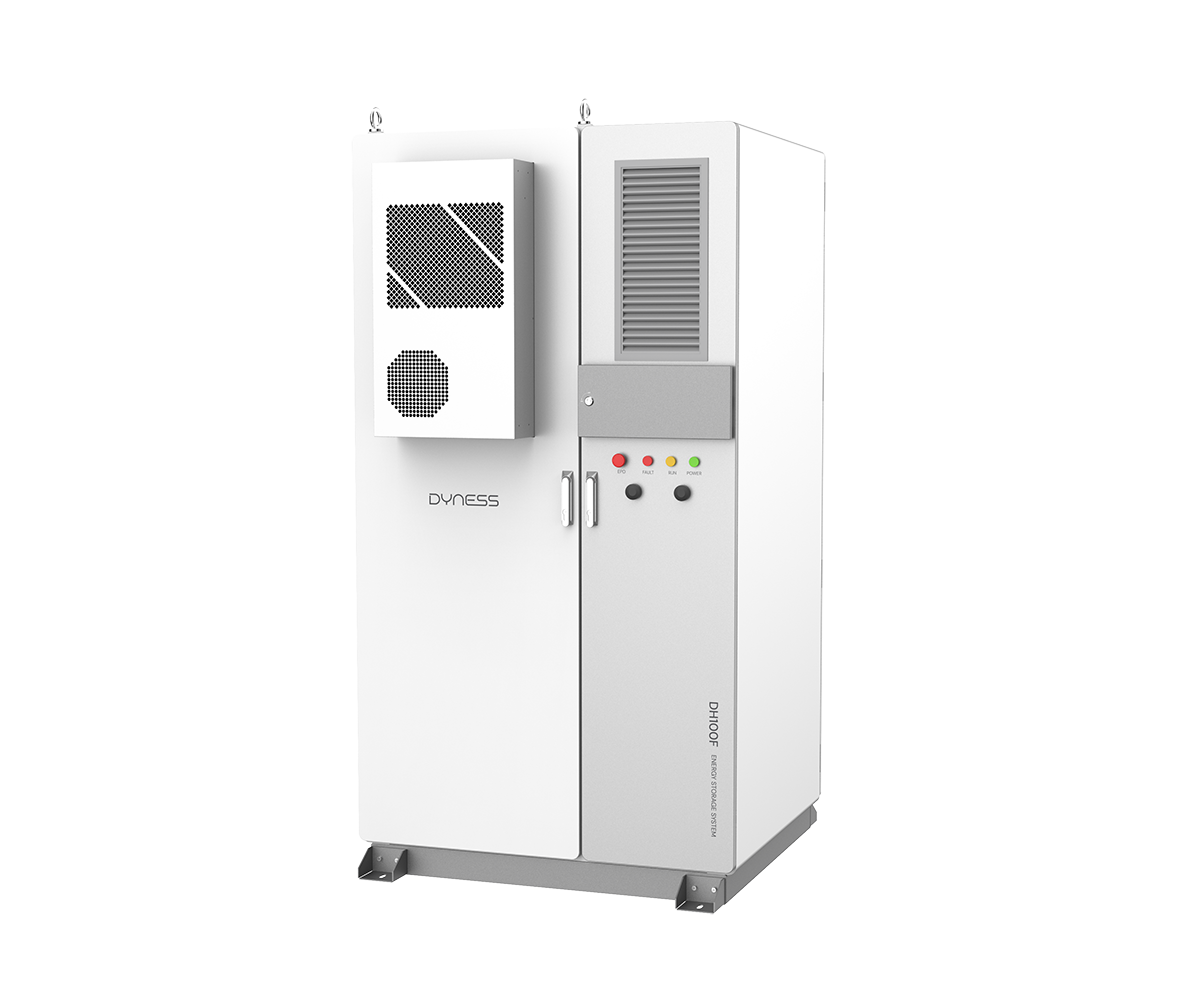
To address the challenges of multi-scenario energy consumption, the park has deployed a ‘PV-storage-charging’ microgrid solution based on the Dyness STACK100 energy storage system. The system comprises four Solingteg inverters and a Dyness STACK100 battery system with a total storage capacity of 983 kWh (16 clusters × 12 battery modules), achieving a comprehensive upgrade in energy utilisation.
Driven by Europe’s energy transition and the rising demand for low-carbon consumption, the energy upgrade of traditional catering and brewing industries is evolving from simple “cost optimization” to full “value reconstruction.” Located in Rutzenham, Austria, the beer restaurant Gasthausbrauerei Zum Alfons, in collaboration with Dyness, has deployed a 983 kWh integrated “solar-storage-charging” energy solution. This system not only meets daily operational needs but also proactively supports future electric mobility services, becoming a benchmark project for integrated energy applications in the region.
Commercial Awakening: From Passive Consumption to Zero-Carbon Leadership
As a pioneer in Europe’s energy transition, Austria is accelerating renewable energy deployment and enhancing grid flexibility. Against this backdrop, fluctuating commercial electricity prices, limited grid capacity, and increasing requirements for power reliability are pushing businesses to adopt localized energy storage systems. For small and medium-sized service businesses such as restaurants and retail, energy is no longer just a cost—it has become a critical factor affecting operational continuity, service capability, and customer experience.
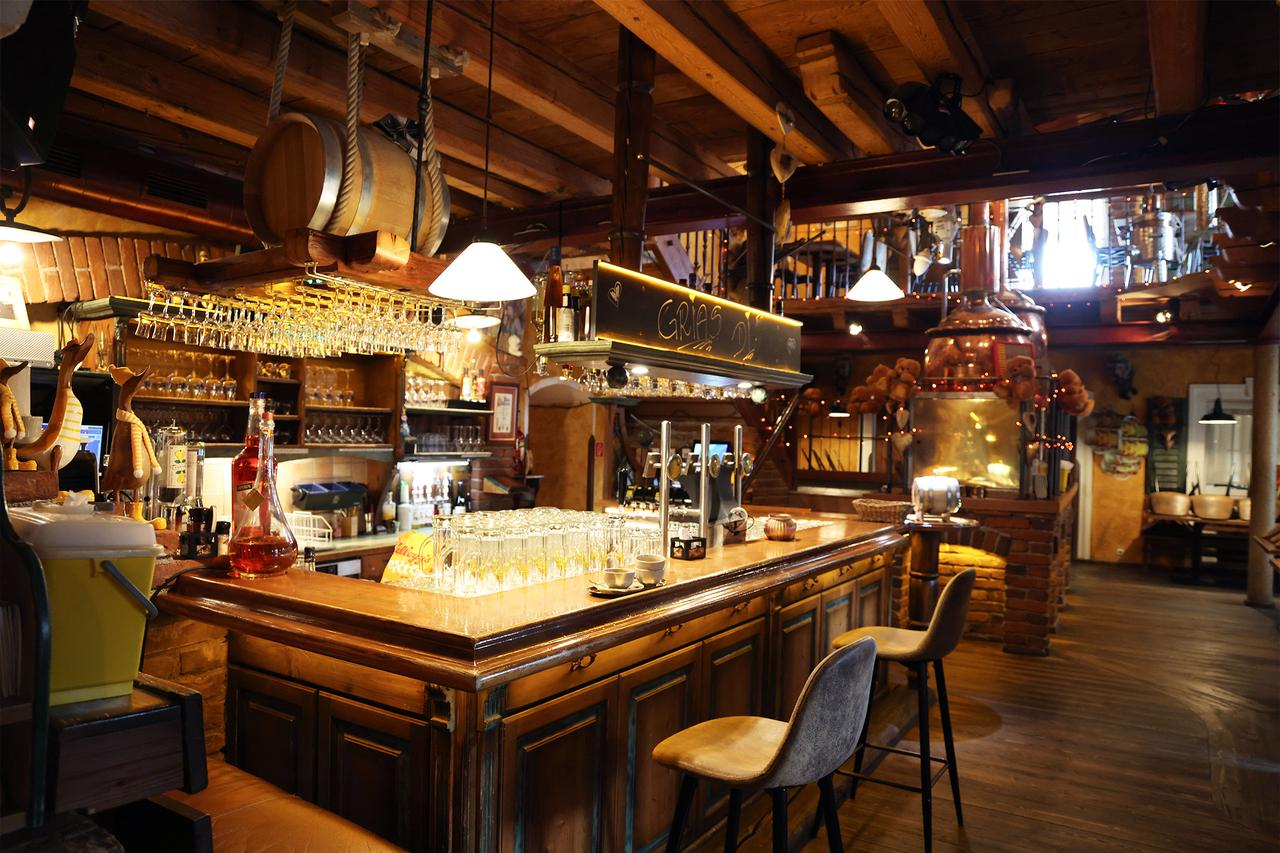
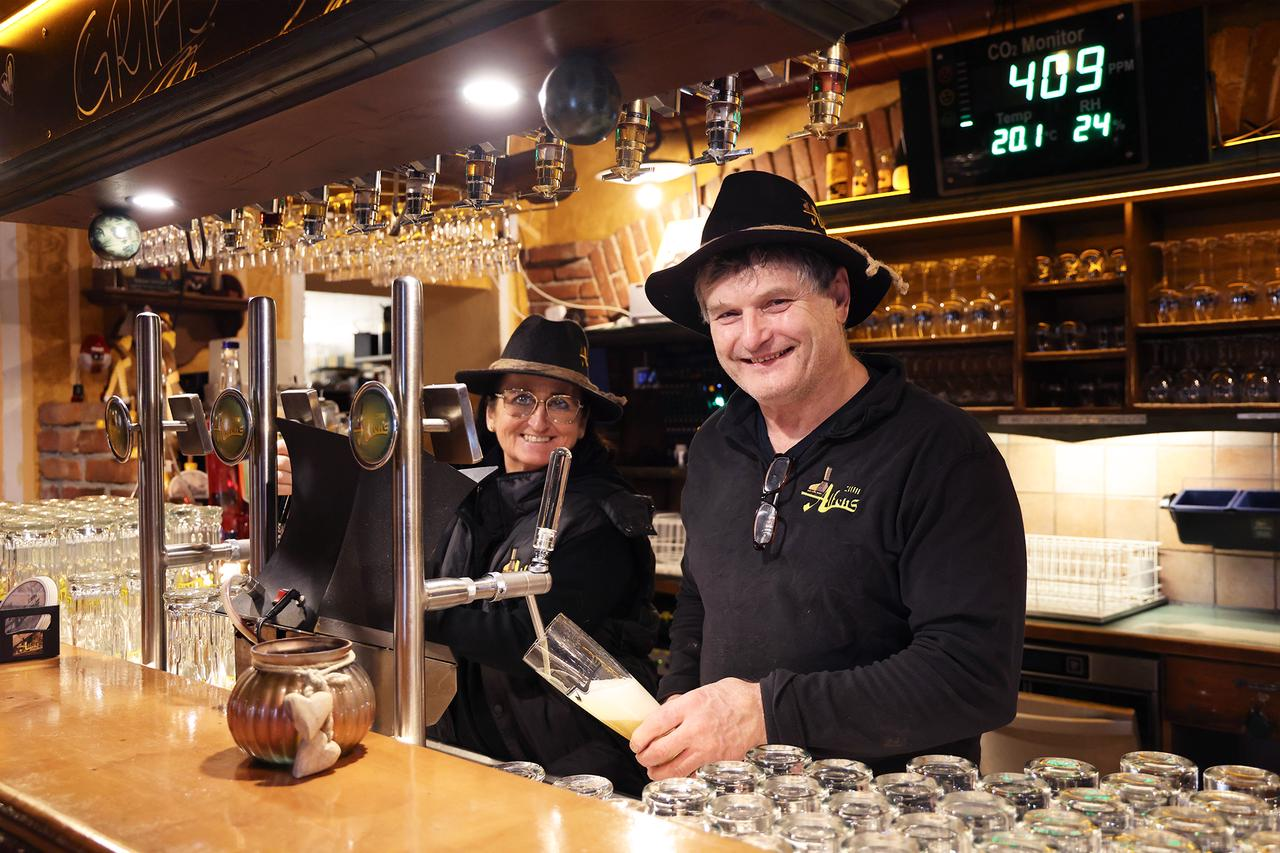
Gasthausbrauerei Zum Alfons is a prime example of this shift. As a comprehensive complex integrating beer brewing, catering services and visitor hospitality, its energy consumption profile exhibits typical characteristics of a mixed-use facility: equipment such as kitchen appliances, lighting and air conditioning creates highly fluctuating electricity demand; furthermore, the site’s car park will need to provide charging services for visitors’ electric vehicles in the future. Faced with the combined demands of the ‘catering and mobility’ scenario, end users have set higher standards: to achieve a stable energy supply, flexible dispatch and future scalability without requiring additional investment in grid capacity expansion.
“We don’t just need power generation—we need a comprehensive energy solution that supports brewing, dining, and future mobility,” said the site operator.
System Redesign: From Single-Source Power Supply to Integrated PV-Storage-Charging
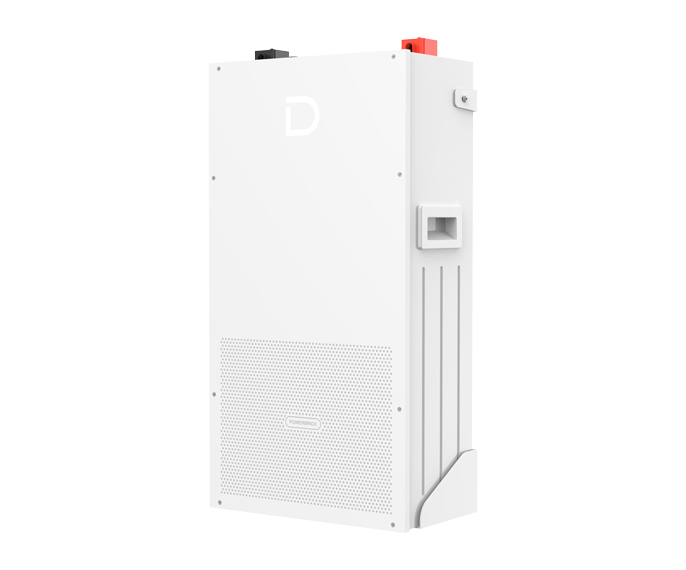
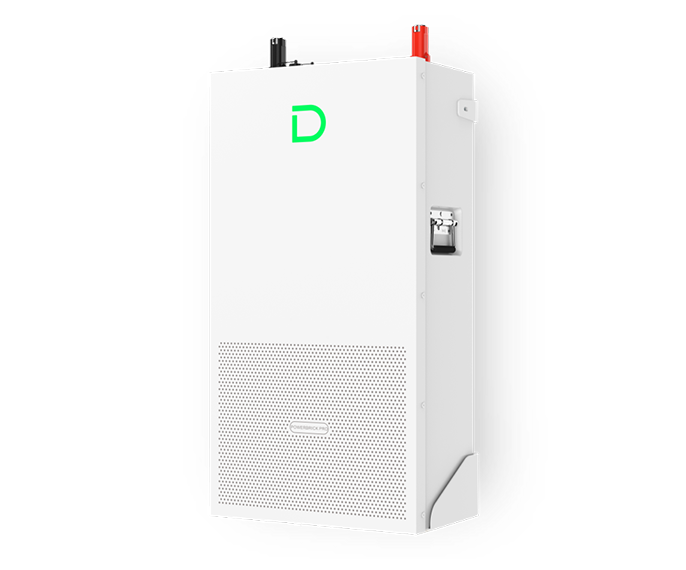
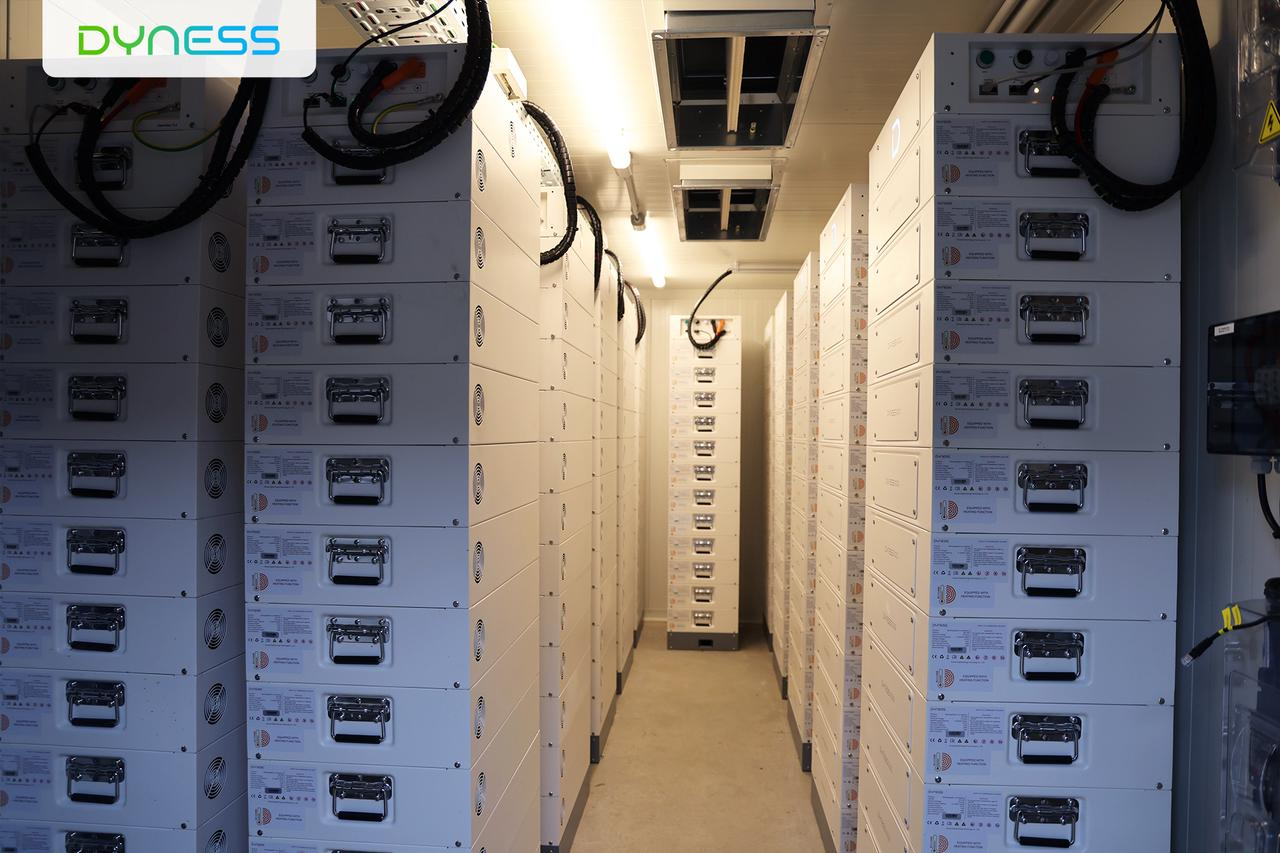
To address the challenges of multi-scenario energy consumption, the park has deployed a ‘PV-storage-charging’ microgrid solution based on the Dyness STACK100 energy storage system. The system comprises four Solingteg inverters and a Dyness STACK100 battery system with a total storage capacity of 983 kWh (16 clusters × 12 battery modules), achieving a comprehensive upgrade in energy utilisation. This setup enables a fully upgraded energy utilization model:
During the day, solar power is prioritised to supply the restaurant and brewing loads, with surplus electricity stored in the energy storage systemAt night and during peak dining hours, the energy storage system releases electricity to smooth out load fluctuationsIn response to concentrated charging demands from visitor vehicles, the system can react rapidly to enable dynamic energy allocation.
Through efficient coordination of “generation–storage–load,” the site has established a self-sustaining energy loop—maximizing renewable energy usage while significantly reducing grid dependency.This not only alleviates current energy pressure but also lays the foundation for future integration of dining and mobility services.
Product Empowerment: Dyness STACK100 Redefines Multi-Scenario Integration
To meet the demands of “highly variable loads + multi-scenario integration,” the Dyness STACK100 system delivers a balanced combination of performance, scalability, and safety:
Flexible Expansion & Fast Response
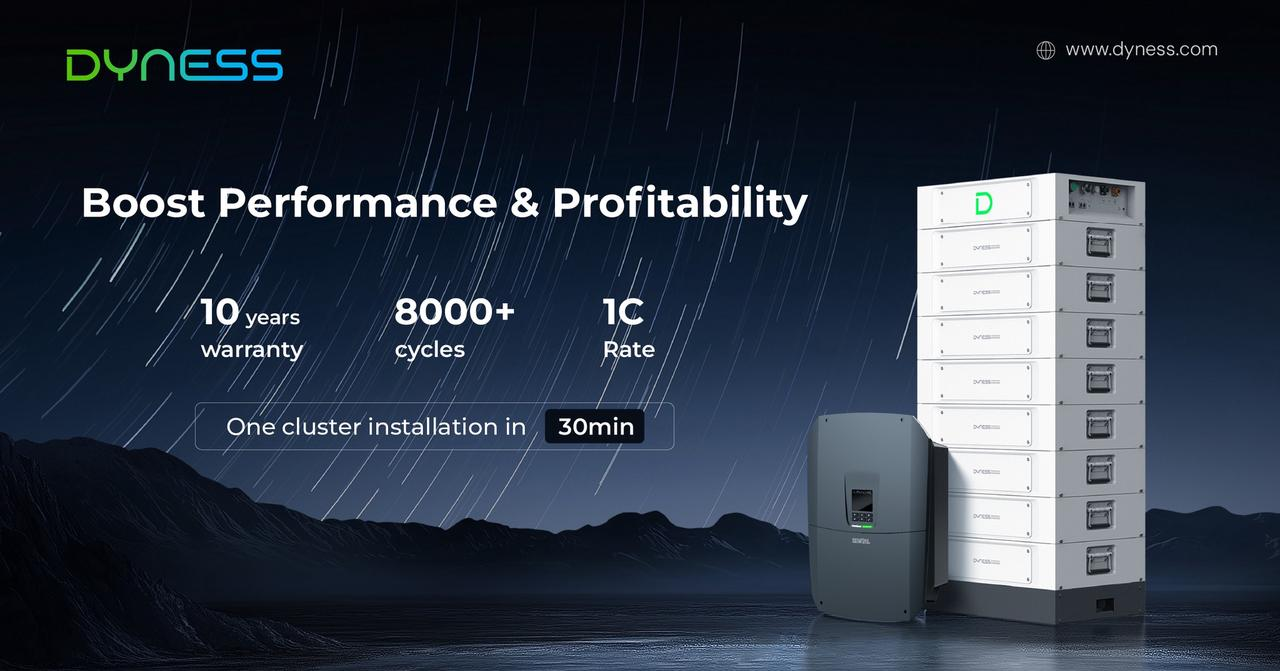
With a modular design, STACK100 supports up to 12 clusters in parallel and offers flexible capacity from 15 kWh to 921 kWh. Its 1C charge/discharge capability ensures rapid response to complex load variations from brewing, dining, and EV charging, while also leaving room for future expansion.
Ultimate Safety & All-Climate Operation
The system features an intelligent fire protection mechanism capable of detecting and suppressing fire risks within 5 seconds. Designed for high-traffic environments, it incorporates multiple safety protections to ensure reliable operation. With an operating temperature range from -20°C to 55°C (optional self-heating), it adapts to complex climates, ensuring stable and reliable operation throughout the year.
Fast Deployment & Smart O&M
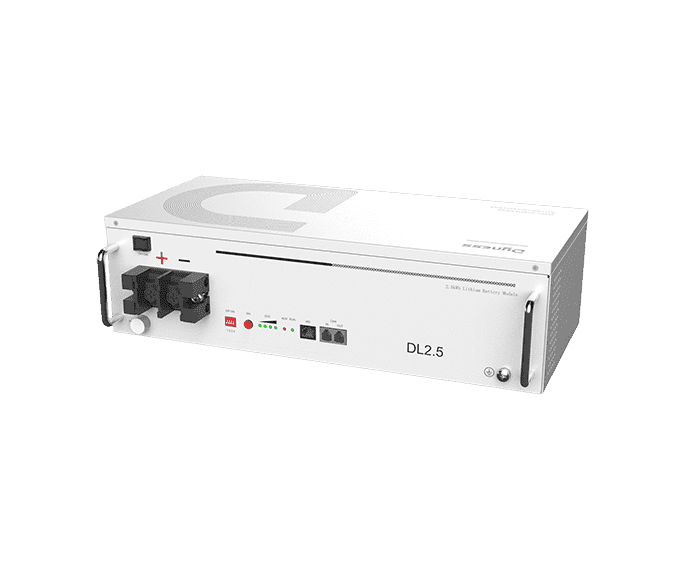
Through modular and rack-free stacking design, the system adopts a plug-and-play approach; installation and maintenance are significantly simplified, with a single cluster installation taking approximately 30 minutes. The system also supports mixing new and old battery modules with automatic balancing, reducing both expansion and lifecycle operational costs.
Value Transformation: From Energy Consumer to Prosumer
Through the transition from traditional brewing to an integrated “solar-storage-charging” model, Gasthausbrauerei Zum Alfons has evolved from a passive energy consumer to an active energy manager.
This project not only provides a replicable “zero-carbon park” model for Austria and across Europe, but also demonstrates the vast commercial potential and environmental value of energy storage in multi-scenario applications. It offers a clear pathway for SMEs:
Achieve electricity cost optimization, reliable power supply, and EV charging capability—without additional grid infrastructure investment.
As EV adoption continues to grow in Austria, this project is well-positioned for future advancements, including participation in virtual power plants (VPP), provision of grid ancillary services, and integration with V2G (vehicle-to-grid) technologies.
Looking ahead, Dyness will use advanced energy storage technology as its core engine to continuously enhance the value of its integrated solar-storage-charging solutions for European commercial and industrial users, helping more traditional enterprises achieve a green transition.